
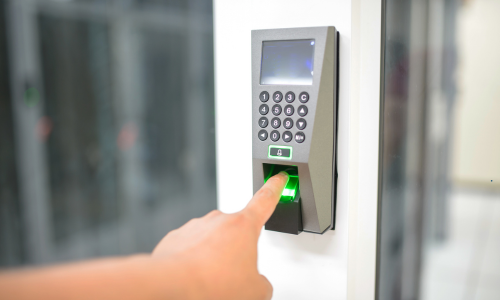
Workplace Attendance Challenges and How Biometric Systems Solve Them
Managing employee attendance is one of the most important tasks for any organization. Traditional attendance methods often lead to errors, manipulation, and administrative difficulties. A biometric attendance system provides a reliable solution by using unique biological identifiers such as fingerprints, facial recognition, or iris scans to track employee attendance accurately.
Businesses today are increasingly adopting biometric systems because they eliminate many of the problems associated with manual attendance methods. Understanding common workplace attendance challenges and how biometric technology solves them can help organizations improve productivity and accountability.
Common Workplace Attendance Challenges
Many organizations still rely on manual attendance registers, ID cards, or punch card systems. While these methods may seem simple, they often create several operational problems.
Buddy Punching
Buddy punching occurs when one employee marks attendance for another colleague who is absent or late. This practice leads to inaccurate records and payroll losses.
Common effects include:
-
Reduced productivity
-
Unfair working conditions
-
Increased payroll costs
Traditional attendance systems cannot effectively prevent this issue because they rely on easily transferable methods such as cards or passwords.
Time Theft
Time theft happens when employees are paid for hours they did not actually work. This may occur through early check-ins, late check-outs, or manipulation of attendance records.
Examples of time theft include:
-
Marking attendance before arriving at work
-
Leaving early without recording departure
-
Manipulating attendance registers
Even small discrepancies can lead to significant financial losses over time.
Human Errors in Manual Records
Manual attendance tracking often results in mistakes. Supervisors or HR staff may accidentally record incorrect entries, forget to mark attendance, or miscalculate working hours.
These errors can lead to:
-
Payroll inaccuracies
-
Employee disputes
-
Administrative complications
Manual systems require additional effort to verify and correct mistakes.
Difficulty in Monitoring Large Workforces
Organizations with a large number of employees often struggle to monitor attendance effectively. Traditional systems become difficult to manage as the workforce grows.
Common challenges include:
-
Tracking multiple shifts
-
Monitoring remote or field employees
-
Maintaining consistent records across departments
Without an automated solution, managing attendance for large teams becomes time-consuming.
Lack of Real-Time Data
Manual attendance systems do not provide instant information. Managers often need to wait until the end of the day or week to review attendance reports.
This lack of real-time data makes it difficult to:
-
Monitor employee punctuality
-
Identify absenteeism patterns
-
Make quick workforce decisions
Real-time tracking is essential for modern workplaces.
What Is a Biometric Attendance System?
A biometric attendance system uses unique physical characteristics to identify employees and record attendance automatically.
Common biometric identification methods include:
-
Fingerprint recognition
-
Facial recognition
-
Iris scanning
-
Palm recognition
Because biometric identifiers are unique to each individual, they provide a secure and accurate method for attendance tracking.
How Biometric Systems Solve Attendance Challenges
Biometric technology addresses many of the problems associated with traditional attendance methods.
Eliminating Buddy Punching
Since biometric systems rely on unique biological traits, employees cannot mark attendance on behalf of someone else.
This completely eliminates:
-
Fake attendance entries
-
Proxy attendance
-
Identity fraud
Each employee must physically authenticate their identity to register attendance.
Accurate Time Tracking
Biometric systems automatically record the exact time an employee checks in and checks out.
This ensures:
-
Precise work hour calculation
-
Accurate overtime tracking
-
Reliable payroll processing
Automated time tracking significantly reduces disputes related to attendance records.
Reducing Administrative Work
HR departments often spend considerable time managing attendance data. Biometric systems simplify this process by automating record keeping.
Key benefits include:
-
Automatic attendance logs
-
Easy report generation
-
Integration with payroll systems
This allows HR professionals to focus on more strategic tasks.
Real-Time Attendance Monitoring
Modern biometric attendance systems provide real-time data that can be accessed by managers and administrators.
This allows organizations to:
-
Monitor employee attendance instantly
-
Track late arrivals and early departures
-
Identify absenteeism patterns
Real-time insights help improve workforce management.
Improved Security
Biometric systems enhance workplace security because they restrict access to authorized individuals.
Benefits include:
-
Preventing unauthorized entry
-
Securing sensitive areas
-
Maintaining accurate employee records
This is especially important for organizations handling confidential data or valuable assets.
Types of Biometric Attendance Systems
Different biometric technologies are used depending on workplace requirements.
Fingerprint Attendance Systems
Fingerprint systems are one of the most widely used biometric solutions. They are reliable, cost-effective, and easy to implement.
Advantages include:
-
Quick identification
-
High accuracy
-
Affordable installation
They are commonly used in offices, factories, and educational institutions.
Facial Recognition Systems
Facial recognition technology identifies employees by analyzing facial features.
Benefits include:
-
Contactless identification
-
Fast recognition speed
-
Suitable for high-traffic environments
These systems became especially popular after the pandemic due to hygiene concerns.
Iris Recognition Systems
Iris scanners identify individuals based on the unique patterns in their eyes.
Key advantages include:
-
Extremely high accuracy
-
Difficult to duplicate
-
Suitable for high-security environments
However, iris systems are usually more expensive compared to other biometric technologies.
Industries That Benefit from Biometric Attendance Systems
Many industries have adopted biometric systems to improve workforce management.
Corporate Offices
Corporate organizations use biometric systems to maintain accurate attendance records and improve workforce accountability.
Manufacturing Industry
Factories often have large workforces and multiple shifts. Biometric systems help monitor employee attendance efficiently.
Healthcare Institutions
Hospitals require strict staff scheduling and security. Biometric attendance helps manage medical staff effectively.
Educational Institutions
Schools and colleges use biometric systems to track both employee and student attendance.
Retail and Hospitality
Retail stores and hotels often operate in shifts. Biometric attendance systems help ensure accurate shift management.
Advantages of Using Biometric Attendance Systems
Organizations adopting biometric attendance solutions experience several benefits.
Improved Accuracy
Biometric identification eliminates guesswork and ensures precise attendance tracking.
Increased Productivity
When attendance is monitored accurately, employees are more likely to maintain punctuality and discipline.
Better Payroll Management
Accurate attendance records simplify payroll processing and reduce disputes.
Cost Savings
Reducing time theft and administrative work helps businesses save money in the long run.
Future Trends in Biometric Attendance Technology
Biometric systems continue to evolve with advancements in technology.
Emerging trends include:
-
AI-powered facial recognition
-
Cloud-based attendance systems
-
Mobile biometric authentication
-
Integration with workforce management software
These innovations will further enhance accuracy, convenience, and security in attendance management.
Conclusion
Attendance management is a critical part of organizational operations, but traditional systems often create challenges such as buddy punching, time theft, and administrative errors. A biometric attendance system provides a modern and reliable solution by ensuring accurate identification and automated attendance tracking.
By eliminating manual errors, improving security, and providing real-time data, biometric systems help organizations maintain transparency and efficiency in workforce management. As workplaces continue to adopt digital solutions, biometric attendance technology is becoming an essential tool for modern businesses.
FAQ
What is a biometric attendance system?
A biometric attendance system records employee attendance using unique biological traits such as fingerprints, facial recognition, or iris scans.
How do biometric systems prevent buddy punching?
Biometric systems require employees to verify their identity using unique physical characteristics, making it impossible for others to mark attendance on their behalf.
Are biometric attendance systems secure?
Yes. Biometric systems are highly secure because they rely on unique identifiers that cannot easily be copied or shared.
Which industries use biometric attendance systems?
Industries such as corporate offices, manufacturing, healthcare, education, retail, and hospitality commonly use biometric attendance systems.
What are the benefits of biometric attendance systems?
Benefits include accurate attendance tracking, reduced time theft, improved payroll management, enhanced security, and real-time workforce monitoring.


