
Planning CCTV Installation in Kochi? 7 Things You Must Know First
Security has become a top priority for homes and businesses today. Whether it is a retail shop, office, warehouse, apartment, or independent house, installing surveillance cameras helps monitor activities and prevent unwanted incidents.
If you are planning CCTV installation in Kochi, understanding the key factors before installing cameras can help you choose the right system and avoid unnecessary expenses. Many people simply purchase cameras without considering coverage, storage, or installation quality, which often leads to poor results.
A properly planned CCTV system improves safety, helps monitor daily activities, and provides recorded footage when required. Before installing cameras, it is important to understand what type of system suits your property and how it should be installed.
This guide explains seven important things you must know before installing CCTV cameras in Kochi so that you can make the right decision for your property.
1. Understand Why You Need CCTV Surveillance
Before choosing a CCTV system, first identify your purpose for installing cameras. Different properties require different types of surveillance solutions.
Common reasons people install CCTV systems include:
-
Monitoring home entrances and surroundings
-
Preventing theft or burglary
-
Monitoring employees in offices
-
Protecting shops and commercial spaces
-
Monitoring warehouses and parking areas
-
Keeping an eye on elderly family members or children
When you clearly define the purpose of your surveillance system, it becomes easier to choose the right cameras, recording system, and installation points.
For example, a retail shop may require cameras focused on cash counters and entrances, while a house may need cameras covering gates, driveways, and backyards.
2. Choose the Right Type of CCTV Cameras
There are several types of CCTV cameras available today. Choosing the right one depends on your property size, lighting conditions, and monitoring requirements.
Dome Cameras
Dome cameras are commonly used indoors in offices, shops, and homes. They are compact and difficult to tamper with.
Bullet Cameras
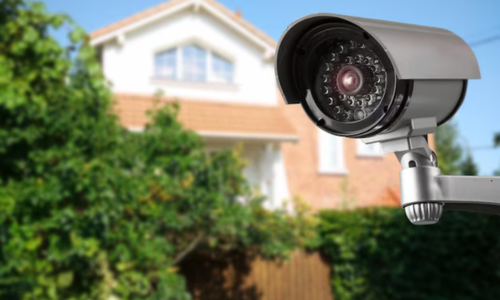
Bullet cameras are suitable for outdoor monitoring. They provide long-distance viewing and are ideal for parking areas and building entrances.
PTZ Cameras
Pan-Tilt-Zoom cameras can rotate and zoom to monitor larger areas. They are commonly used in warehouses and commercial buildings.
Wireless Cameras
Wireless CCTV cameras are easier to install and are suitable for smaller properties or temporary setups.
Each camera type has its advantages, so selecting the correct camera ensures better surveillance coverage.
3. Decide the Best Camera Locations
Proper camera placement is one of the most important aspects of CCTV installation. Even high-quality cameras will not provide good results if they are installed in the wrong locations.
Important areas that should usually be monitored include:
-
Main entrances and exits
-
Parking areas
-
Staircases and corridors
-
Cash counters in shops
-
Warehouse storage areas
-
Building perimeter
When planning camera locations, it is important to avoid blind spots and ensure that all important areas are covered.
Professional installers usually conduct a site inspection before recommending the best camera positions.
4. Consider Camera Resolution and Image Quality
Camera resolution determines how clear the recorded footage will be. Higher resolution cameras provide clearer images and better identification of people and objects.
Common CCTV resolutions include:
-
720p (HD) – Basic surveillance
-
1080p (Full HD) – Clear images for homes and offices
-
2MP / 4MP cameras – Higher clarity for business locations
-
4K cameras – Ultra-high-definition surveillance
For most homes and small offices, 1080p cameras are sufficient. However, businesses may require higher resolution cameras to capture details like faces, number plates, or transactions.
Good image quality becomes extremely important when reviewing footage during incidents.
5. Storage and Recording Options
CCTV cameras record video footage which must be stored securely. The storage system you choose determines how long recordings are kept.
The two main recording systems are:
DVR (Digital Video Recorder)
Used with analog cameras. DVR systems store footage on internal hard drives and are suitable for smaller installations.
NVR (Network Video Recorder)
Used with IP cameras. NVR systems provide higher quality recording and allow easier remote monitoring.
Storage capacity depends on:
-
Number of cameras
-
Video resolution
-
Recording duration
-
Motion detection settings
Most systems store recordings for 7 to 30 days, depending on storage size.
6. Remote Monitoring and Mobile Access
Modern CCTV systems allow users to monitor cameras remotely through smartphones or computers.
This feature is extremely useful for business owners and homeowners who want to monitor their property from anywhere.
Remote monitoring allows you to:
-
View live camera footage
-
Check recordings anytime
-
Receive motion detection alerts
-
Monitor business operations remotely
Most modern CCTV systems support mobile apps for Android and iOS, making surveillance much more convenient.
7. Professional Installation Matters
Many people attempt DIY installation to reduce costs, but improper installation often results in poor camera coverage and unreliable systems.
Professional CCTV installers provide several advantages:
-
Proper cable management
-
Correct camera angles
-
Secure system configuration
-
Reliable power supply setup
-
Remote viewing configuration
Experienced installers also help select the right cameras and recording systems based on your property size and security needs.
Professional installation ensures the system works efficiently and lasts longer.
Additional Tips for CCTV Installation in Kochi
If you are installing CCTV cameras in Kochi, consider these additional factors:
Weather Conditions
Outdoor cameras should be weatherproof to handle rain and humidity.
Night Vision
Choose cameras with infrared night vision for clear footage during nighttime.
Power Backup
Installing a UPS backup system helps cameras continue recording during power outages.
Internet Stability
For remote monitoring, ensure your internet connection is stable and reliable.
Benefits of Installing CCTV Cameras
Installing CCTV cameras offers multiple advantages for both homes and businesses.
Improved Security
Visible cameras act as a deterrent and reduce the chances of theft or vandalism.
Evidence Collection
Recorded footage helps identify incidents and provides useful evidence if required.
Employee Monitoring
Businesses can monitor workplace activity and ensure smooth operations.
Remote Property Monitoring
Property owners can monitor their premises even when they are away.
Increased Safety
Surveillance systems help monitor suspicious activities and improve overall safety.
Conclusion
Installing a surveillance system is an effective way to improve security and monitor important areas of your property. However, proper planning is essential to ensure the system works effectively.
If you are planning CCTV installation in Kochi, it is important to consider factors such as camera type, placement, image quality, storage options, and professional installation. A well-designed CCTV system not only protects your property but also provides peace of mind.
By understanding these seven key factors before installation, you can choose the right CCTV solution that suits your home or business security needs.
FAQs
What should I check before installing CCTV cameras?
Before installing CCTV cameras, check the camera type, resolution, storage capacity, installation locations, internet connectivity, and remote monitoring options.
How many CCTV cameras are needed for a house?
Most homes require 3 to 6 cameras depending on property size and entry points such as gates, doors, parking areas, and backyards.
What is the best camera resolution for CCTV?
For most homes and offices, 1080p Full HD cameras provide clear footage. Businesses may prefer higher resolution cameras for better detail.
Can I monitor CCTV cameras on my mobile phone?
Yes. Most modern CCTV systems allow remote monitoring through mobile apps, enabling you to watch live footage and recordings from anywhere.
How long does CCTV footage get stored?
Storage duration depends on the hard drive size and number of cameras. Most systems store recordings for 7 to 30 days.
Do CCTV cameras work during power failure?
CCTV systems can work during power outages if connected to a UPS or backup power supply.


